
*Intended for law firms only. We do not provide legal advice.

Customer Service 844-863-4407
Sales 844-236-2485

How do legal virtual receptionists improve law firm efficiency?

How do legal virtual receptionists improve law firm efficiency?

Legal virtual receptionists for California law firms provide trained, U.S.-based operators who capture new leads, schedule consultations, and manage after‑hours overflow. These services strictly adhere to attorney‑client privilege, offer bilingual (English/Spanish) support for California’s demographics, and natively integrate with legal software like MyCase. Several top‑rated providers service California firms: LEX Reception, Alert Communications, Vicky Virtual, […]

What should I consider when choosing a legal virtual receptionist?

What should I consider when choosing a legal virtual receptionist?

Choosing a virtual receptionist for a law firm feels like a high‑stakes interview; you need someone who respects confidentiality and can handle intake without a hitch. The right partner can keep your calendar full while protecting client data, but the wrong choice can expose you to ethical pitfalls. A legal virtual receptionist must meet confidentiality […]

What impact do legal virtual receptionists have on client retention?

What impact do legal virtual receptionists have on client retention?

Ever wonder why a prospect hangs up before hearing a greeting? The first few seconds of a call decide whether a client stays or walks away. This post uncovers the hidden factor that drives that decision and shows how a legal virtual receptionist can turn that split‑second moment into a loyalty win. A legal virtual […]

What questions should I ask a legal virtual receptionist provider?
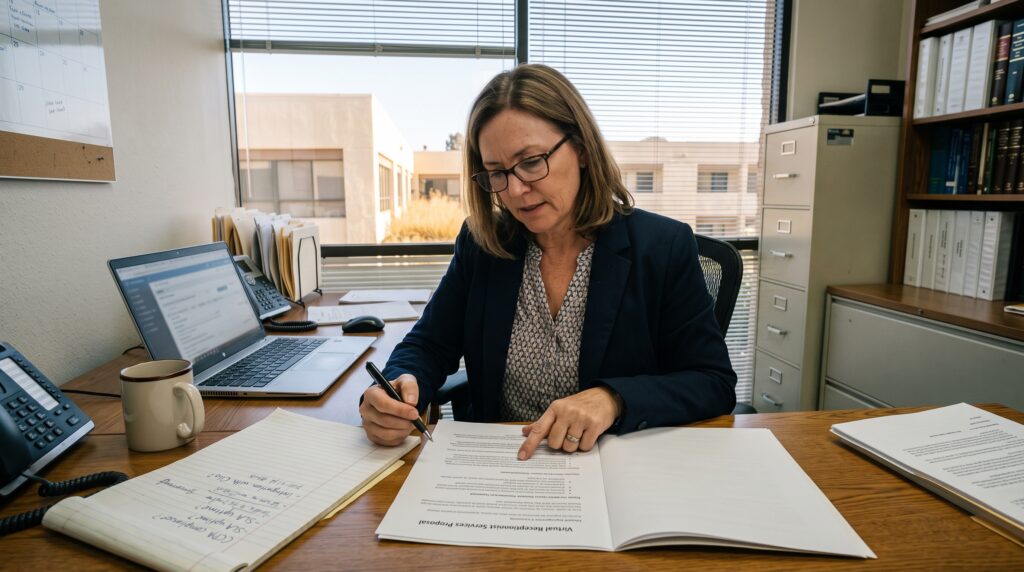
What questions should I ask a legal virtual receptionist provider?

Choosing a legal virtual receptionist can feel like navigating a maze of jargon, pricing tiers, and compliance rules. You might wonder which questions truly matter and which are just filler. The right queries can save you time, money, and potential liability. In this guide we break down the most overlooked concerns, show how they affect […]

Is a legal virtual receptionist a key factor in improving client satisfaction?

Is a legal virtual receptionist a key factor in improving client satisfaction? Ever wonder why callers hang up before a lawyer even hears their name? In the legal world, the first few seconds decide if a prospect stays or leaves. A legal virtual receptionist can change that moment, turning a cold ring into a warm, qualified lead. A well‑trained legal virtual receptionist captures more calls, reduces missed opportunities, and builds trust faster than traditional answering methods. If you’re juggling cases in California, Texas, or New York, the speed and accuracy of your intake can make or break a client relationship. The reality is that most firms lose potential clients simply because the call isn’t answered correctly, quickly enough. This post unpacks the hidden cost of missed calls, shows how virtual receptionists meet strict confidentiality rules, and offers practical steps to improve satisfaction across your multi‑state practice. Why Most Law Firms Lose Clients in the First 30 Seconds When a potential client dials a law firm, the clock starts ticking. In practice, a delay of more than five seconds drops the chance of a qualified lead by nearly half, especially in high‑stakes markets like California and New York. The problem isn’t just speed; it’s also script accuracy. A generic greeting can violate confidentiality rules, while a poorly timed consent notice can trigger legal exposure under the CCPA or HIPAA. Key Failure Points Delayed Answer: Calls left ringing for over ten seconds cause 60 % of callers to hang up, wasting marketing spend. Script Mismatch: Generic scripts miss conflict checks, leading to ethical breaches under ABA Model Rule 1.6. Inconsistent Hours: After‑hours gaps force callers to leave voicemails, reducing trust and increasing abandonment rates. Manual Transfer Errors: Human hand‑offs often result in dropped calls or mis‑routed inquiries, especially during trial weeks. Lack of Analytics: Without real‑time metrics, firms can’t spot trends, so problems persist unnoticed. Addressing these gaps starts with a dedicated legal virtual receptionist who can answer instantly, follow a tailored script, and provide live analytics. In practice, firms that adopt this model see a measurable lift in client satisfaction and a drop in missed opportunities. What Happens When Your Receptionist Calls in Sick During a Trial Week Trial weeks are high‑pressure periods where every call matters. If your in‑house receptionist is unavailable, the ripple effect can be severe: missed intake, delayed conflict checks, and frustrated clients. A virtual receptionist eliminates that single point of failure. Cloud‑based platforms stay online 24/7, automatically routing calls to backup agents with the same script and compliance settings. Backup Benefits Zero Downtime: Redundant data centers keep the line open even if a local office loses power. Consistent Scripts: All agents use the same conflict‑check flow, preserving confidentiality and compliance. Scalable Staffing: During trial spikes, the system can add agents instantly without hiring extra staff. Real‑Time Alerts: Managers receive notifications if call volume exceeds thresholds, allowing rapid response. Data Continuity: Call recordings and intake notes sync instantly to the firm’s CRM, preventing information loss. The reality is that a sick day shouldn’t become a lost client. By leveraging a legal virtual receptionist, firms maintain continuity, protect client data, and keep trial‑week momentum moving forward. The Confidentiality Standards In‑House Staff Miss That Virtual Receptionists Don't Many law offices think they can trust any staff member with client calls, but in‑house teams often overlook strict confidentiality protocols, especially when handling sensitive health or financial data. Virtual receptionists are built around security frameworks like ISO 27001 and SOC 2, ensuring encrypted storage, role‑based access, and audit trails that meet ABA and state privacy requirements. Security Edge Encrypted Calls: TLS 1.2 encryption protects voice data in transit, preventing eavesdropping. Access Controls: Only authorized attorneys can retrieve intake notes, reducing insider risk. Audit Logs: Every interaction is logged, providing a clear trail for compliance audits. Data Minimization: Scripts collect only necessary information, aligning with CCPA and NY SHIELD Act mandates. Regular Pen Tests: Quarterly vulnerability assessments keep the platform ahead of emerging threats. When a firm follows these security practices, clients feel confident sharing details, and the firm avoids costly ethical violations. In practice, firms that switch to a compliant virtual receptionist report higher trust scores in post‑call surveys. How Legal Virtual Receptionists Handle Intake Differently Than General Answering Services A generic answering service might simply forward a call, but a legal virtual receptionist understands the nuances of intake: conflict checks, jurisdictional consent, and appointment scheduling tied to practice‑management software. Integrations with platforms like Clio or MyCase allow the receptionist to create new matters on the fly, reducing manual entry and error. Specialized Features Conflict Screening: Real‑time checks against a firm’s conflict database prevent ethical breaches before the call proceeds. Two‑Party Consent: State‑specific recordings, such as California’s two‑party rule, are automatically announced and logged. Bilingual Support: Spanish‑English agents handle diverse client bases, improving accessibility in multicultural markets. Appointment Sync: Calendar connectors book consultations instantly, eliminating back‑and‑forth emails. Secure Transfer: Encrypted hand‑off to the attorney’s softphone ensures continuity without exposing data. These capabilities turn a simple call into a qualified lead, ready for immediate action. Firms that adopt this model see a 20‑30 % increase in first‑call appointment rates compared with generic services. The Real Cost Isn't the Monthly Fee, It's the Billable Hours You're Wasting Many firms focus on the subscription price of a virtual receptionist, overlooking the hidden cost of staff time spent on call‑back, data entry, and error correction. By automating intake and routing, a legal virtual receptionist frees attorneys and paralegals to focus on billable work, directly impacting the bottom line. Hidden Savings Reduced Call‑Backs: Accurate intake cuts the need for follow‑up calls, saving an average of 15 minutes per case. Fewer Errors: Automated conflict checks lower the chance of re‑work caused by missed red flags. Scalable Pricing: Pay‑per‑call models align costs with actual volume, avoiding idle staff salaries. Improved Billing: Detailed call logs support precise time‑tracking for client invoices. Better Retention: Faster response times increase client satisfaction, reducing churn and associated acquisition costs. When you calculate the true expense of missed calls and manual entry, the savings from a legal virtual receptionist become clear. In practice, firms report a 10‑15 % boost in billable utilization after switching. Why Solo Practitioners and 50‑Attorney Firms Use the Same Virtual Receptionist Model Whether you’re a solo attorney in Texas or a 50‑lawyer firm in California, the need for consistent, compliant intake is identical. The virtual receptionist platform scales effortlessly, delivering the same quality of service regardless of firm size. The key is a cloud‑based architecture that separates call handling from physical office constraints, allowing any firm to benefit from the same technology stack. Scalable Benefits Uniform Quality: Every call follows the same script, ensuring consistent client experience across all locations. Dynamic Staffing: During peak periods, the system adds agents without the overhead of hiring full‑time staff. Centralized Reporting: One dashboard provides firm‑wide metrics, useful for both solo practitioners and large firms. Geographic Flexibility: Agents can operate from anywhere, maintaining service levels in California, New York, and Florida. Cost Predictability: Fixed per‑call pricing avoids surprise payroll spikes as the firm grows. The result is a level playing field: small firms gain enterprise‑grade intake, while large firms avoid the complexity of managing multiple in‑house teams. In practice, firms of all sizes see smoother operations and higher client satisfaction. The After‑Hours Advantage That Turns Prospects Into Retained Clients Clients often call after regular office hours, especially when dealing with emergencies. A legal virtual receptionist provides 24/7 coverage, converting late‑night inquiries into booked appointments rather than missed opportunities. By integrating with CRM and calendar tools, after‑hours calls are logged, prioritized, and routed to the appropriate attorney for timely follow‑up. Night‑Time Wins Is a legal virtual receptionist a key factor in improving client satisfaction?

Ever wonder why callers hang up before a lawyer even hears their name? In the legal world, the first few seconds decide if a prospect stays or leaves. A legal virtual receptionist can change that moment, turning a cold ring into a warm, qualified lead. A well‑trained legal virtual receptionist captures more calls, reduces missed […]

What are the ethical considerations for legal intake specialists?

Most breaches happen before a client signs a retainer, and the rules that protect confidentiality start at the first question. Understanding these early risks saves time, money, and reputation. Ever wonder why a simple intake call can expose a firm to serious ethical trouble? The moment a prospective client shares details, the lawyer’s duty to […]

Why is customization important in choosing a legal virtual receptionist?

Why is customization important in choosing a legal virtual receptionist?

Legal virtual receptionists have become a staple for firms that need round‑the‑clock client intake without hiring full‑time staff. The technology blends live answering with secure data handling, but not every solution fits every practice. When a firm customizes its intake scripts, conflict‑check workflows, and integration points, the difference between a missed lead and a new […]

What is the importance of active listening in legal client interactions?

Active listening transforms client conversations, turning confusion into clarity and building trust that drives case success. Mastering this skill saves time, reduces errors, and improves client satisfaction. Ever felt a client shut down the moment you started asking questions? That silence often isn’t fear of the law, it’s a sign they don’t feel truly heard. […]

How do legal intake services enhance the onboarding experience?

Legal intake onboarding shapes the first impression, speeds data capture, and prevents costly errors. Mastering it means smoother client journeys and higher retention. Ever felt the frustration of a missed call or a half‑filled form that leaves a potential client hanging? The first minutes of contact are a make‑or‑break moment for any law firm, yet […]

Disclaimer

The information on this website is for informational purposes only; it is deemed accurate but not guaranteed. It does not constitute professional advice. All information is subject to change at any time without notice. Contact us for complete details.